

Ai Interactivity Part Ii Multi Agent Systems And Ai Copilots Daniel hewlett (principal ai engineer) and karthik ramgopal (distinguished engineer) reveal the internal "agent platform" that powers linkedin's hiring assistant. they explain why prompt chains. Discover how linkedin engineers built their agent platform to scale multi agent ai systems beyond simple prompt chains, featuring supervisor patterns and distributed messaging.
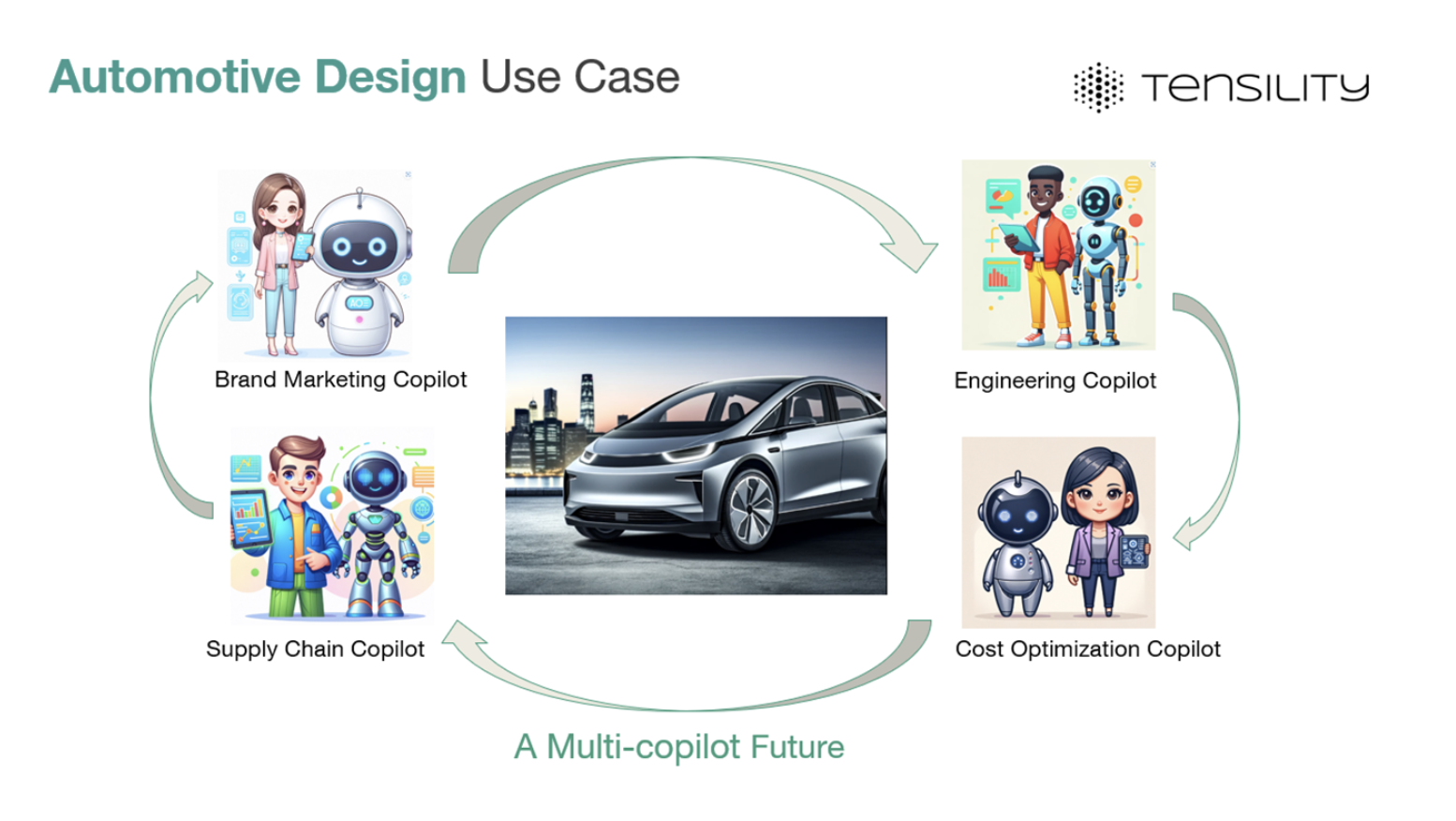
Ai Interactivity Part Ii Multi Agent Systems And Ai Copilots But copilots have a fundamental limitation: they wait for you. you prompt. they respond. you decide. you execute. repeat. a fully agentic system is different. it doesn't wait. it acts. Linkedin has extended its generative ai application platform to support multi agent systems by repurposing its existing messaging infrastructure as an orchestration layer. this approach. Linkedin faced the challenge of scaling agentic ai adoption across their organization while maintaining production reliability. Multi agent systems aren’t just a technical framework. they’re a shift in mindset: instead of one opaque ai trying to solve everything, you get a team of specialists orchestrated to work for you.

Beyond Copilots The Rise Of The Ai Agent Orchestration Platform Linkedin faced the challenge of scaling agentic ai adoption across their organization while maintaining production reliability. Multi agent systems aren’t just a technical framework. they’re a shift in mindset: instead of one opaque ai trying to solve everything, you get a team of specialists orchestrated to work for you. Instead of stretching a single agent past its breaking point, the solution is to distribute the workload across specialized agents, each focused on a specific domain or function, while a central keeps the system coordinated and contextually aware. It works across systems, identifies what needs to be done, and orchestrates the necessary steps to get there. in short, it moves from being reactive to being proactive. As ai agents mature, orchestrators will define how work flows, how teams scale, and how enterprise architecture and ux is built. the post copilot era has arrived. Multi agent systems change the unit of design. rather than expecting a single ai to do everything, work is distributed across specialized agents that can coordinate with one another. that distribution can improve scale and reliability, but it also exposes new requirements for the uc platform itself.

Designing Multi Agent Copilots With Agent Flows And Generative Instead of stretching a single agent past its breaking point, the solution is to distribute the workload across specialized agents, each focused on a specific domain or function, while a central keeps the system coordinated and contextually aware. It works across systems, identifies what needs to be done, and orchestrates the necessary steps to get there. in short, it moves from being reactive to being proactive. As ai agents mature, orchestrators will define how work flows, how teams scale, and how enterprise architecture and ux is built. the post copilot era has arrived. Multi agent systems change the unit of design. rather than expecting a single ai to do everything, work is distributed across specialized agents that can coordinate with one another. that distribution can improve scale and reliability, but it also exposes new requirements for the uc platform itself.
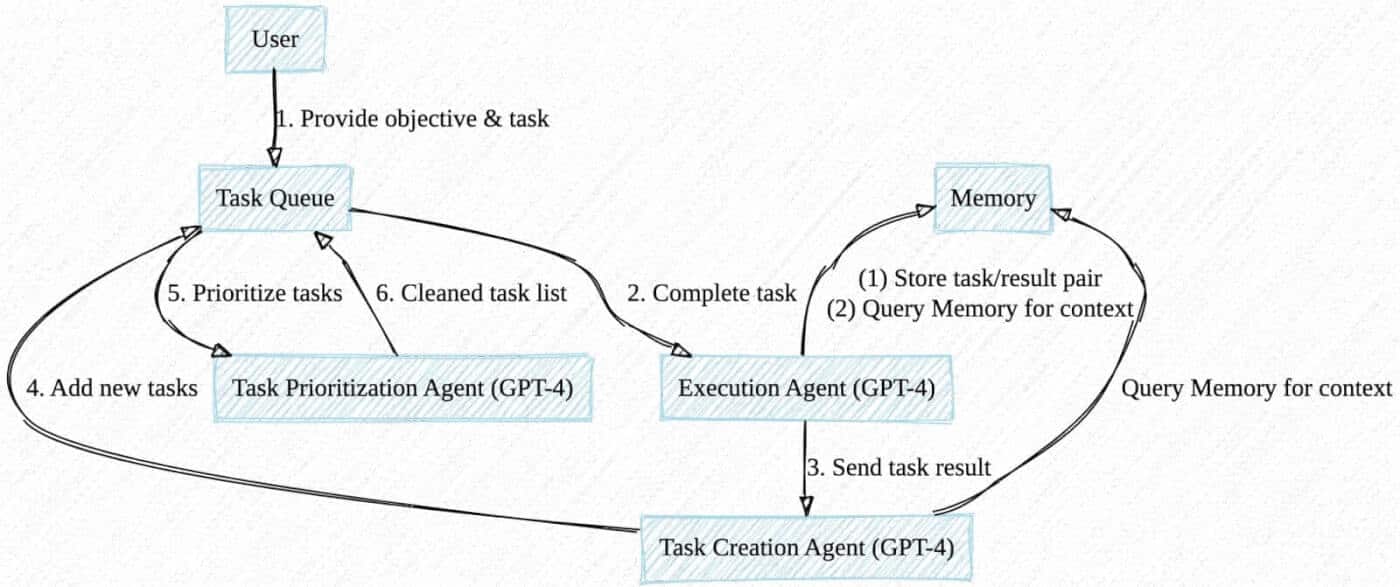
What Are Multi Agent Systems Building Your Ai Autonomous Team As ai agents mature, orchestrators will define how work flows, how teams scale, and how enterprise architecture and ux is built. the post copilot era has arrived. Multi agent systems change the unit of design. rather than expecting a single ai to do everything, work is distributed across specialized agents that can coordinate with one another. that distribution can improve scale and reliability, but it also exposes new requirements for the uc platform itself.
Comments are closed.