

City Of God 2002 Cinecatic In this article, i’ll delve into the cinematographic elements of “city of god” that make it a seminal work in contemporary cinema, offering my insights and perspectives as a filmmaker and colorist. City of god received widespread critical acclaim and earned four nominations at the 76th academy awards: best cinematography (césar charlone), best director (meirelles), best film editing (daniel rezende), and best adapted screenplay (mantovani).

Cinecatic City Of God 2002 City of god: key elements of film form cinematography city of god (fernando mierelles, 2002) uses many different shots and lighting techniques to emphasise emotion and tension throughout the film). City of god (2002) "get that chicken, bro!" li'l zé cackles as his gangsters set after their runaway dinner, a nervous chicken with an overwhelming will to live. This video explores the bold cinematography, color palettes, and visual storytelling that brought rio de janeiro’s favelas to life on screen. City of god (2002). a visual reference hub for filmmakers and content creators. explore iconic frames, colors & composition!.
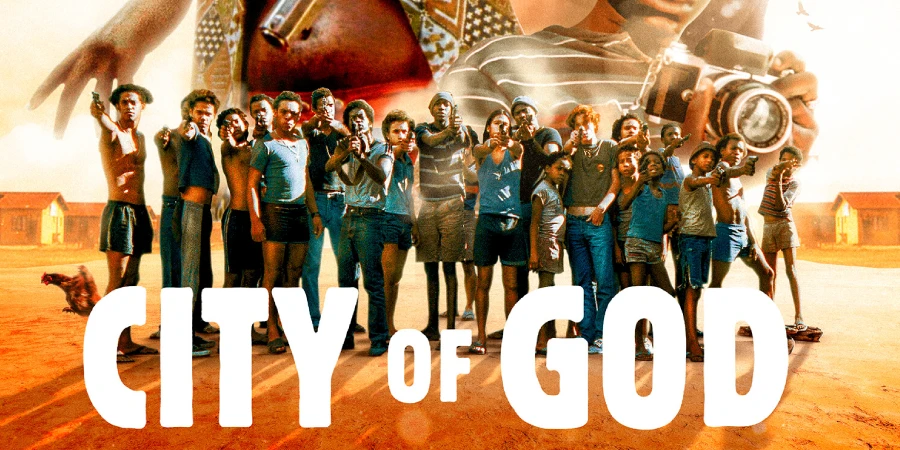
City Of God 2002 Summary Plot Spoiler Town This video explores the bold cinematography, color palettes, and visual storytelling that brought rio de janeiro’s favelas to life on screen. City of god (2002). a visual reference hub for filmmakers and content creators. explore iconic frames, colors & composition!. City of god is made as a late reflection of the brazilian cinema nôvo, borrowing its classic tendencies towards the confrontation of dominant power structures dating back to colonial and neocolonial revolution. Released in 2002, this brazilian masterpiece directed by fernando meirelles and co directed by kátia lund has transcended its local roots, earning global acclaim for its unflinching portrayal of the favelas of rio de janeiro. Another remarkable aspect of the film is its cinematography. the color palette and camera techniques shift throughout the movie to reflect the evolving atmosphere. initially, the tones are warm and earthy, emphasizing the isolation of city of god from the wealthy parts of rio de janeiro. Set against the harsh realities of rio de janeiro’s favelas, this isn’t just a gangster film—it’s a raw cinematic experience. with dynamic storytelling, staggering visuals, and haunting performances, it pulls viewers into a world where survival is a daily negotiation.

City Of God 2002 Lido Cinemas City of god is made as a late reflection of the brazilian cinema nôvo, borrowing its classic tendencies towards the confrontation of dominant power structures dating back to colonial and neocolonial revolution. Released in 2002, this brazilian masterpiece directed by fernando meirelles and co directed by kátia lund has transcended its local roots, earning global acclaim for its unflinching portrayal of the favelas of rio de janeiro. Another remarkable aspect of the film is its cinematography. the color palette and camera techniques shift throughout the movie to reflect the evolving atmosphere. initially, the tones are warm and earthy, emphasizing the isolation of city of god from the wealthy parts of rio de janeiro. Set against the harsh realities of rio de janeiro’s favelas, this isn’t just a gangster film—it’s a raw cinematic experience. with dynamic storytelling, staggering visuals, and haunting performances, it pulls viewers into a world where survival is a daily negotiation.
Comments are closed.