
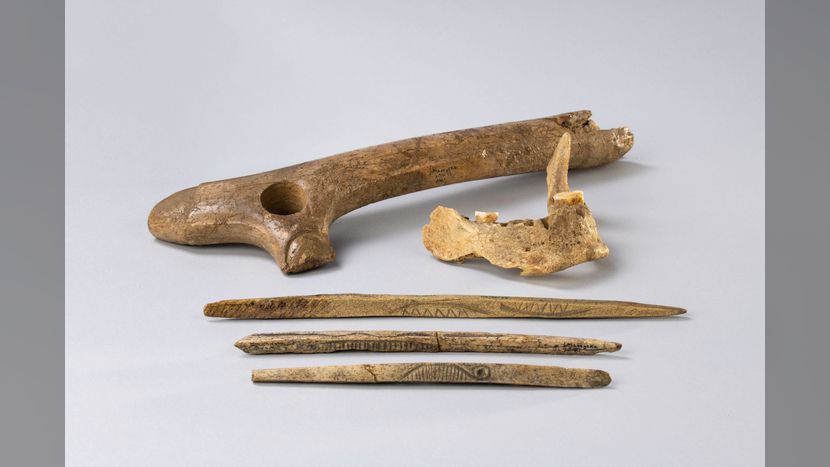
Genetic Study Examines Europe S Hunter Gatherers Archaeology World To shed light on this ancient time, scientists have now collected the largest known database of prehistoric european hunter gatherer genomes. they analyzed the genomes of 356 ancient hunter gatherers who lived between 35,000 and 5,000 years ago in what are now 34 countries across eurasia. TÜbingen, germany—according to a live science report, an analysis of the genomes of 356 european hunter gatherers who lived between 35,000 and 5,000 years ago suggests that two genetically.
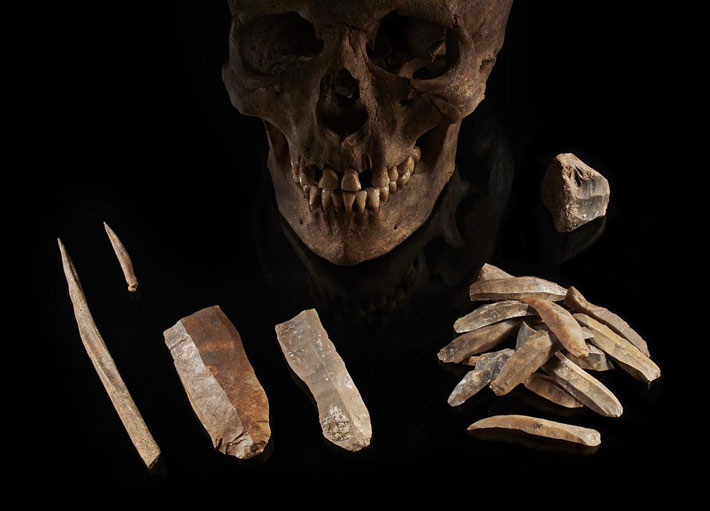
Genetic Study Examines Europe S Hunter Gatherers Archaeology World Researchers at the university of huddersfield have used ancient dna to reveal that hunter gatherers in one part of europe survived for thousands of years longer than anywhere else on the. Researchers at the university of huddersfield have analyzed ancient dna to show that hunter gatherer communities in one region of europe endured for thousands of years longer than elsewhere on the continent. their findings also highlight the central role women played during this extended transition. Genetic research is reshaping our understanding of europe’s deep past. thousands of years after the first farmers spread across europe from anatolia, dna reveals an unexpected twist: traces of mesolithic hunter gatherers re emerged in the genetic makeup of these neolithic farming populations. A pair of studies offering the most in depth look into the lives of ice age hunter gatherers has revealed at least eight previously unknown groups of early europeans.
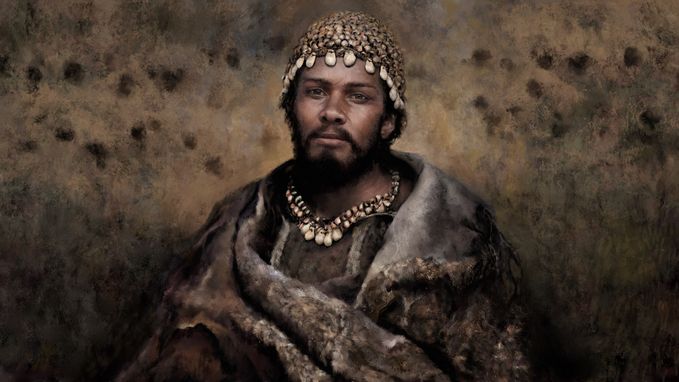
Genetic Study Examines Europe S Hunter Gatherers Archaeology World Genetic research is reshaping our understanding of europe’s deep past. thousands of years after the first farmers spread across europe from anatolia, dna reveals an unexpected twist: traces of mesolithic hunter gatherers re emerged in the genetic makeup of these neolithic farming populations. A pair of studies offering the most in depth look into the lives of ice age hunter gatherers has revealed at least eight previously unknown groups of early europeans. Jan bartek ancientpages researchers have utilized ancient dna to uncover that hunter gatherer populations in a specific region of europe—spanning present day belgium, germany, and the netherlands—persisted for thousands of years longer than elsewhere on the continent. According to a live science report, an analysis of the genomes of 356 european hunter gatherers who lived between 35,000 and 5,000 years ago suggests that two genetically distinct groups comprised. A new study examining the genetic history of ice age europeans included dna extracted from roughly 11,000 to 8,000 year old fossils of hunter gatherers that were previously found on. Finally, the study suggests that as the climate warmed and forests spread across europe some 14,000 years ago, the epigravettians spread northward as the descendants of the fournol died out. read the original scholarly article about this research in nature.
Comments are closed.