

How Does Alcohol Impact Fat Loss Muscle Testosterone What The But do you need to quit alcohol altogether to have healthy testosterone levels? not always. read on to learn how alcohol affects testosterone, the signs of low t, and practical steps to support your hormonal health. Alcohol, particularly its byproducts like acetaldehyde, can increase aromatase activity in various tissues, including the liver and adipose tissue. this means less available testosterone and a higher estrogen to testosterone ratio, which can lead to increased fat storage and reduced muscle mass.

How Does Alcohol Affect Fat Loss And Muscle Gain Final thoughts so, does alcohol affect muscle growth and fat loss? yes, but the impact depends on your habits. occasional and controlled drinking is unlikely to derail your progress, but frequent or excessive consumption can slow down both muscle gain and fat loss. the key is to stay mindful, track your intake, and maintain balance. This article details alcohol’s effects on testosterone and related topics. it also explores the symptoms of low testosterone and how someone can manage this. Alcohol tends to increase the circulation of catabolic hormones, notably cortisol, which promotes muscle breakdown. simultaneously, alcohol can decrease the levels of anabolic hormones essential for muscle repair and growth, such as testosterone and growth hormone. The purpose of this study was to examine the effects of alcohol on testosterone synthesis in men by investigating its effects on each level of the hypothalamic pituitary gonadal axis.
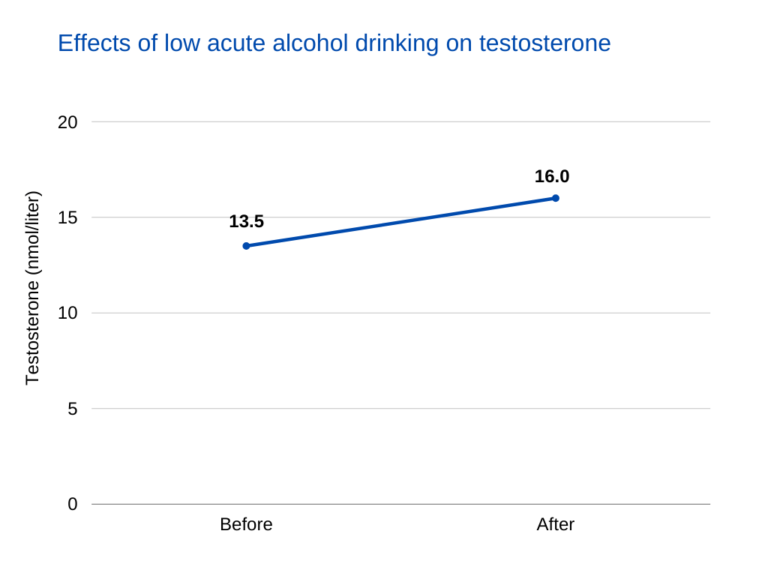
Does Alcohol Lower Testosterone Farr Institute Farr Institute Alcohol tends to increase the circulation of catabolic hormones, notably cortisol, which promotes muscle breakdown. simultaneously, alcohol can decrease the levels of anabolic hormones essential for muscle repair and growth, such as testosterone and growth hormone. The purpose of this study was to examine the effects of alcohol on testosterone synthesis in men by investigating its effects on each level of the hypothalamic pituitary gonadal axis. Reduced testosterone can hinder the process of building and sustaining muscle mass. moreover alcohol can elevate cortisol levels, a stress hormone that may result in muscle deterioration. Drinking alcohol excessively can cause both short term and long term changes to many hormones in your body, including testosterone. testosterone is the primary male sex hormone. it gives men. Learn how alcohol affects testosterone levels, energy, and mood. get practical tips to support hormone health and make informed choices about drinking. While moderate alcohol consumption may not significantly impair muscle growth and protein synthesis, excessive drinking can prevent the body from absorbing adequate protein and other nutrients. this can negatively impact overall fitness levels and the ability to build and maintain muscle mass.
How Alcohol And Smoking Impact Testosterone Levels Testosteronefacts Org Reduced testosterone can hinder the process of building and sustaining muscle mass. moreover alcohol can elevate cortisol levels, a stress hormone that may result in muscle deterioration. Drinking alcohol excessively can cause both short term and long term changes to many hormones in your body, including testosterone. testosterone is the primary male sex hormone. it gives men. Learn how alcohol affects testosterone levels, energy, and mood. get practical tips to support hormone health and make informed choices about drinking. While moderate alcohol consumption may not significantly impair muscle growth and protein synthesis, excessive drinking can prevent the body from absorbing adequate protein and other nutrients. this can negatively impact overall fitness levels and the ability to build and maintain muscle mass.
Alcohol And Testosterone Does Drinking Affect T Levels Learn how alcohol affects testosterone levels, energy, and mood. get practical tips to support hormone health and make informed choices about drinking. While moderate alcohol consumption may not significantly impair muscle growth and protein synthesis, excessive drinking can prevent the body from absorbing adequate protein and other nutrients. this can negatively impact overall fitness levels and the ability to build and maintain muscle mass.
Comments are closed.