
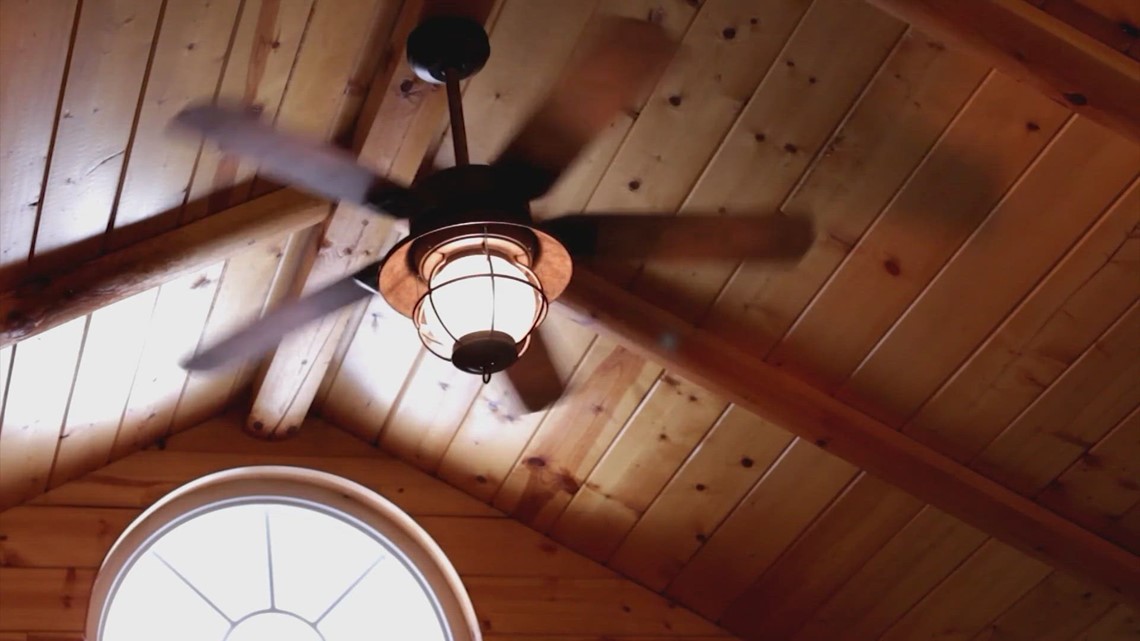
Verify Yes Your Ceiling Fan Should Spin Counterclockwise If You Want In summer and hotter months, your ceiling fan blades should rotate counterclockwise. when fan blades turn counterclockwise, they push cooler air down in a column. this creates a “wind chill” effect. to maximize this effect, run your fan at its highest speed. In three easy steps, you can quickly determine which mode your fan is set to rotate in a counterclockwise direction or if it has been forgotten in winter mode. counterclockwise rotation is when the fan blades move right to left as viewed from below the unit.

Should Your Ceiling Fan Go Clockwise Or Counterclockwise Shelly Lighting In the summer, the ceiling fan direction should be counterclockwise. the downward breeze, generated by counterclockwise fan spin direction, will make us feel cooler. we won’t have to push the air conditioner so hard. in the winter, the ceiling fan direction should be clockwise. During the warmer months of spring and summer, your fan should turn counterclockwise. this causes the fan blades to push cool air downward, making it feel cooler in the room. after setting your summer direction, you should set the ceiling fan speed to medium or high to create a wind chill effect. Setting your ceiling fan to spin counterclockwise can help you feel cooler and potentially save you money. In the summer, a ceiling fan should spin counter clockwise when viewed from below. spinning in this direction generates a strong downward breeze that creates a wind chill effect, cooling down everyone under the fan.
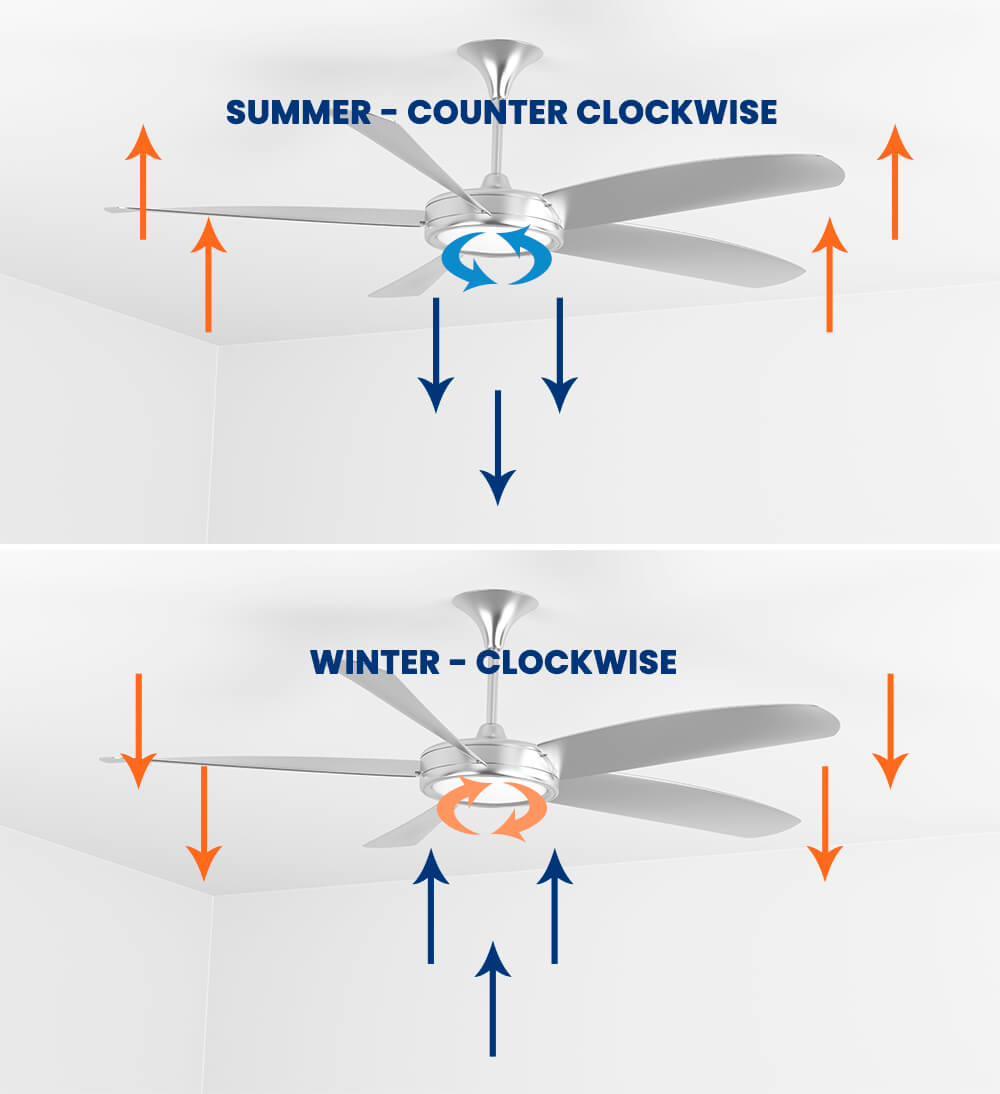
Ceiling Fan Rotation Clockwise Vs Counterclockwise Shelly Lighting Setting your ceiling fan to spin counterclockwise can help you feel cooler and potentially save you money. In the summer, a ceiling fan should spin counter clockwise when viewed from below. spinning in this direction generates a strong downward breeze that creates a wind chill effect, cooling down everyone under the fan. To keep cool in summer, your ceiling fan should spin counterclockwise. the counterclockwise direction combined with the blade pitch on fans creates downdraft, which you feel as that welcoming, cool breeze in summer. Yes, the difference in your fan direction matters, even if you have vaulted or high ceilings. warm air rises and can easily get trapped in high ceilings, so using the correct spin direction is especially important for distributing warm air in winter. In the summer months, a fan should rotate counterclockwise, while in winter, it should spin clockwise. this simple adjustment can change how air circulates in your home, leading to enhanced comfort and reduced energy bills. In summer, set your ceiling fan to spin counterclockwise. this direction sends a rush of air downward, cooling your skin and making the room feel up to eight degrees cooler.

Ceiling Fan Rotation Clockwise Vs Counterclockwise Shelly Lighting To keep cool in summer, your ceiling fan should spin counterclockwise. the counterclockwise direction combined with the blade pitch on fans creates downdraft, which you feel as that welcoming, cool breeze in summer. Yes, the difference in your fan direction matters, even if you have vaulted or high ceilings. warm air rises and can easily get trapped in high ceilings, so using the correct spin direction is especially important for distributing warm air in winter. In the summer months, a fan should rotate counterclockwise, while in winter, it should spin clockwise. this simple adjustment can change how air circulates in your home, leading to enhanced comfort and reduced energy bills. In summer, set your ceiling fan to spin counterclockwise. this direction sends a rush of air downward, cooling your skin and making the room feel up to eight degrees cooler.
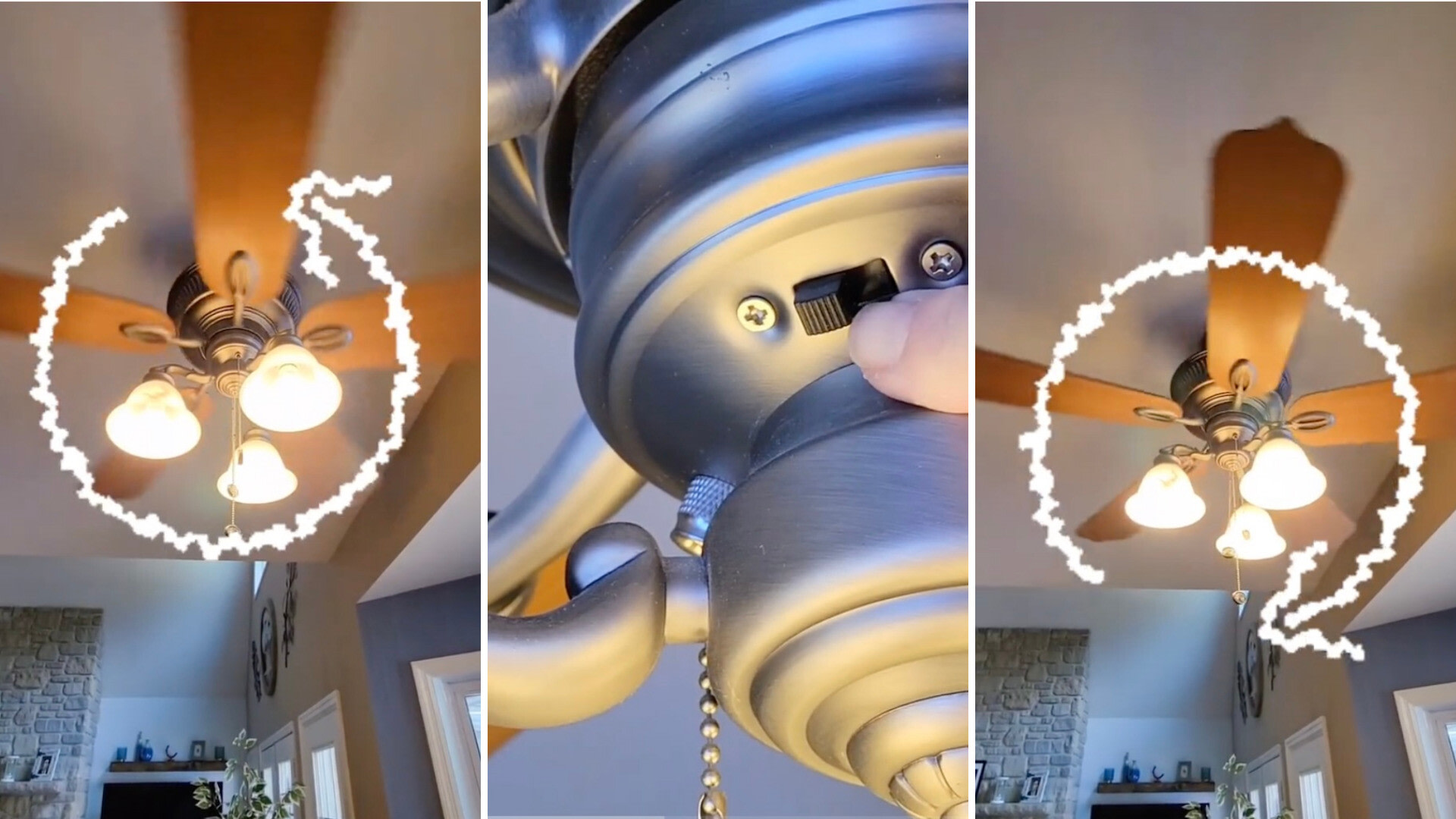
Home Maintenance Expert Shares Ceiling Fan Tip To Save Energy With The In the summer months, a fan should rotate counterclockwise, while in winter, it should spin clockwise. this simple adjustment can change how air circulates in your home, leading to enhanced comfort and reduced energy bills. In summer, set your ceiling fan to spin counterclockwise. this direction sends a rush of air downward, cooling your skin and making the room feel up to eight degrees cooler.
Comments are closed.