
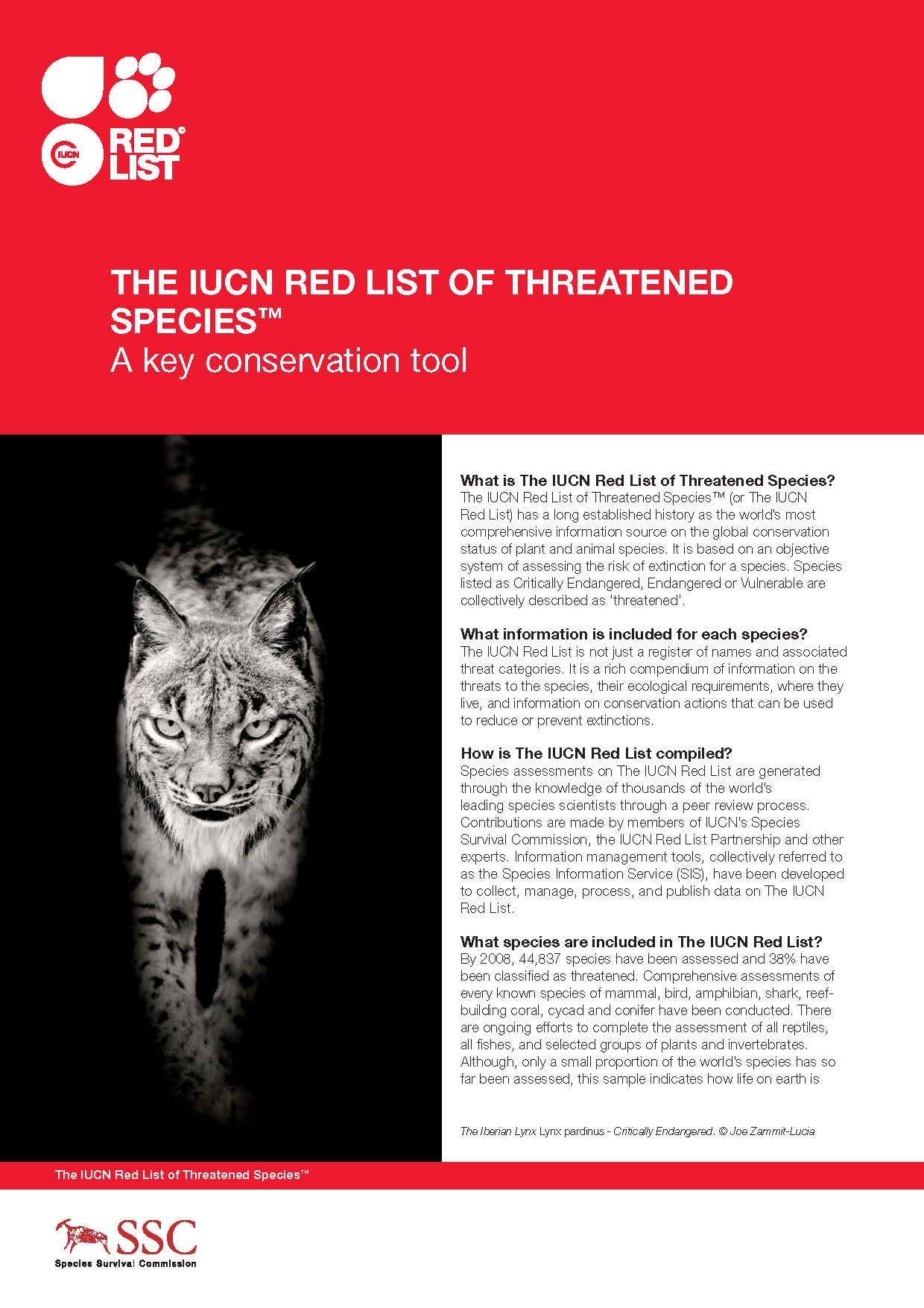
The Iucn Red List A Key Conservation Tool Iucn What is the iucn red list? established in 1964, the international union for conservation of nature’s red list of threatened species has evolved to become the world’s most comprehensive information source on the global conservation status of animal, fungi and plant species. The iucn red list is a tool to inform conservation action and policy based on the assessment of species’ extinction risk and recovery. it covers 169,420 species in nine red list categories and eight green status categories.
Iucn Red List Of Ecosystems Resource Iucn The international union for conservation of nature (iucn) red list of threatened species, also known as the iucn red list or red data book, founded in 1964, is an inventory of the global conservation status and extinction risk of biological species. [1] a series of regional red lists, which assess the risk of extinction to species within a political management unit, are also produced by. The iucn red list constitutes an important source for setting priorities in nature policy worldwide. the list provides detailed information on the conservation status of species, its range, threats, habitat and ecology of species, and conservation measures that can be taken to prevent extinction. The answer lies in a globally recognized tool developed over six decades: the iucn red list of threatened species. it doesn’t just catalog wildlife; it provides a scientifically standardized framework that tells us, with quantifiable precision, how close a species is to extinction. Iucn red list of threatened species, objective assessment system for classifying the status of plants, animals, and other organisms threatened with extinction. unveiled in 1994, the list contains criteria and categories to classify species on the basis of their probability of extinction.
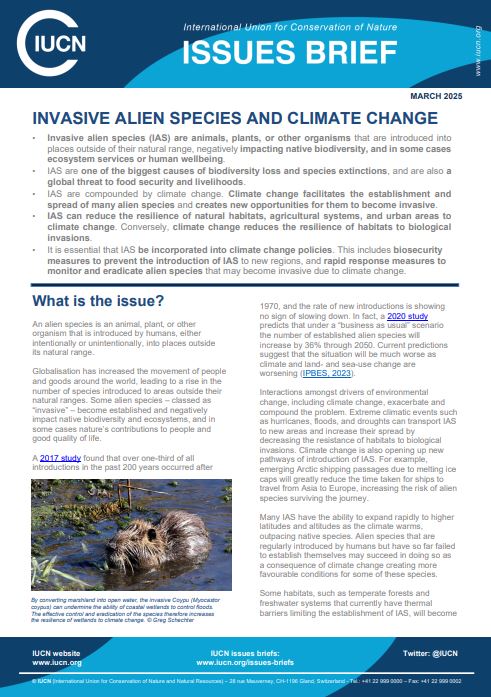
Iucn Red List Of Ecosystems Resource Iucn The answer lies in a globally recognized tool developed over six decades: the iucn red list of threatened species. it doesn’t just catalog wildlife; it provides a scientifically standardized framework that tells us, with quantifiable precision, how close a species is to extinction. Iucn red list of threatened species, objective assessment system for classifying the status of plants, animals, and other organisms threatened with extinction. unveiled in 1994, the list contains criteria and categories to classify species on the basis of their probability of extinction. The iucn red list provides a wealth of information on population estimates, threats, and conservation action, that aids conservation practitioners and policy makers when prioritising, planning and implementing conservation action. the categorisation also helps to put a spotlight on highly threatened species – a species getting downgraded to critically endangered often generates media. Established in 1964, the iucn red list of threatened species has evolved to become the world’s most comprehensive information source on the global extinction risk status of animal, fungus and plant species. the iucn red list is a critical indicator of the health of the world’s biodiversity. The iucn red list was established in 1964 by the international union for conservation of nature (iucn). it is the world’s most comprehensive source of information on the global extinction risk of animal, plant, and fungal species. The iucn red list of threatened species (also known as the iucn red list), is a rich compendium of information on threats, ecological requirements, and habitats of over 160,000 species; and on conservation actions that can be taken to reduce or prevent extinctions.
Iucn Red List Of Ecosystems Resource Iucn The iucn red list provides a wealth of information on population estimates, threats, and conservation action, that aids conservation practitioners and policy makers when prioritising, planning and implementing conservation action. the categorisation also helps to put a spotlight on highly threatened species – a species getting downgraded to critically endangered often generates media. Established in 1964, the iucn red list of threatened species has evolved to become the world’s most comprehensive information source on the global extinction risk status of animal, fungus and plant species. the iucn red list is a critical indicator of the health of the world’s biodiversity. The iucn red list was established in 1964 by the international union for conservation of nature (iucn). it is the world’s most comprehensive source of information on the global extinction risk of animal, plant, and fungal species. The iucn red list of threatened species (also known as the iucn red list), is a rich compendium of information on threats, ecological requirements, and habitats of over 160,000 species; and on conservation actions that can be taken to reduce or prevent extinctions.

Iucn Red List Of Ecosystems Resource Iucn The iucn red list was established in 1964 by the international union for conservation of nature (iucn). it is the world’s most comprehensive source of information on the global extinction risk of animal, plant, and fungal species. The iucn red list of threatened species (also known as the iucn red list), is a rich compendium of information on threats, ecological requirements, and habitats of over 160,000 species; and on conservation actions that can be taken to reduce or prevent extinctions.
Comments are closed.