

Which Way Should A Ceiling Fan Spin Family Handyman In summer and hotter months, your ceiling fan blades should rotate counterclockwise. when fan blades turn counterclockwise, they push cooler air down in a column. this creates a “wind chill” effect. to maximize this effect, run your fan at its highest speed. In the summer, the ceiling fan direction should be counterclockwise. the downward breeze, generated by counterclockwise fan spin direction, will make us feel cooler. we won’t have to push the air conditioner so hard. in the winter, the ceiling fan direction should be clockwise.

Which Way Should A Ceiling Fan Spin Family Handyman Did you know you should change your ceiling fan's direction in the summer and winter? depending on the season, you'll want the fan to rotate counterclockwise or clockwise. by changing your ceiling fan direction, you may feel warmer or colder in the room. A ceiling fan that spins with the leading edges of the blades lower than the trailing edges will draw cooler air up and force warmer air near the ceiling down and out toward walls. Learn which way should a ceiling fan turn in the summer or the winter for the best airflow and energy savings. when it starts to get warm, it helps to know which way should a fan spin in summer. check out our videos and infographics to help you!. Your ceiling fan should spin counterclockwise in the summer to create a cooling breeze, making the room feel up to 8°f cooler. in winter, switch it to clockwise; this helps circulate warm air down from the ceiling, improving warmth without drafts.
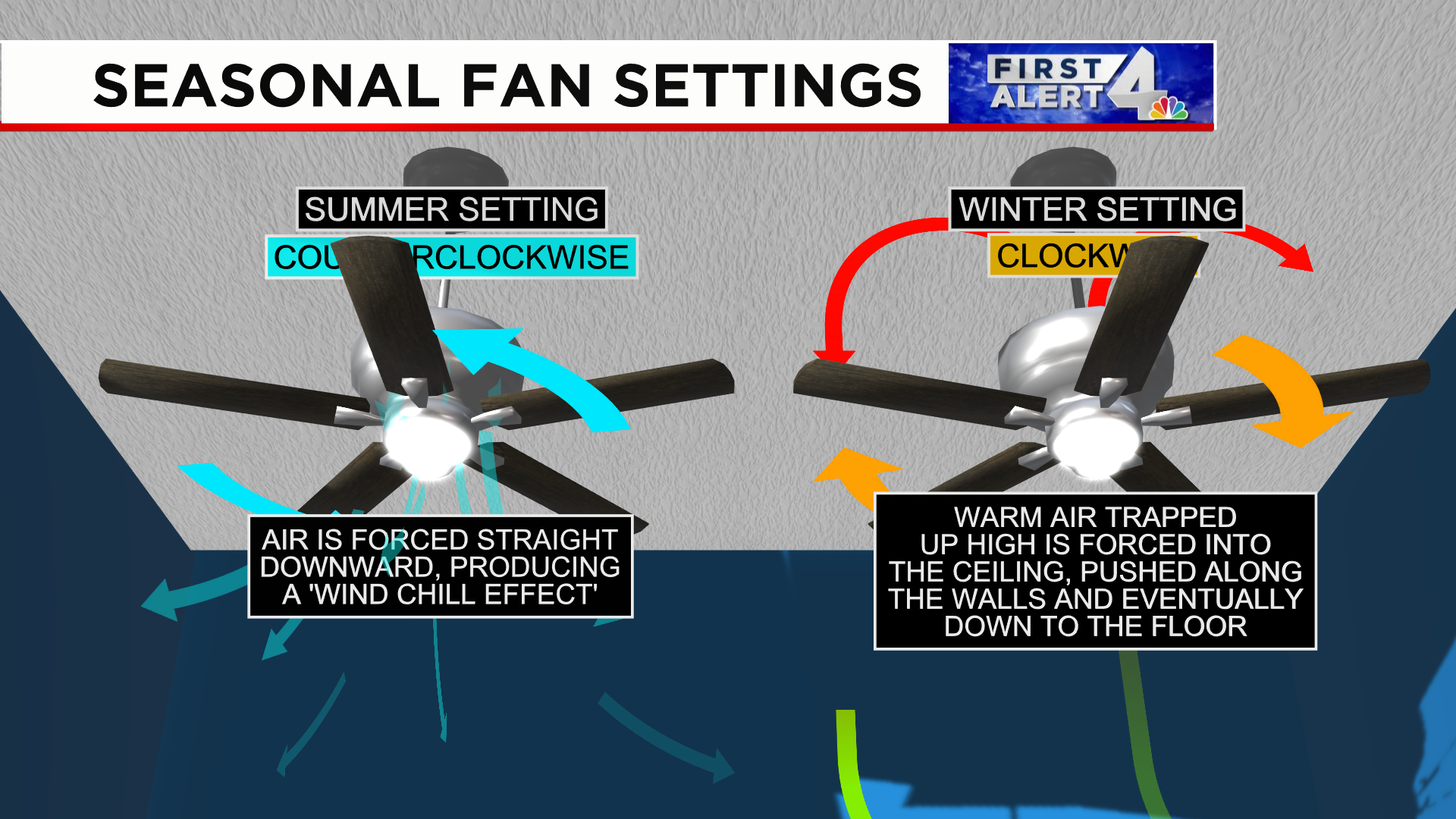
Which Direction Should Your Ceiling Fan Go In Summer Infoupdate Org Learn which way should a ceiling fan turn in the summer or the winter for the best airflow and energy savings. when it starts to get warm, it helps to know which way should a fan spin in summer. check out our videos and infographics to help you!. Your ceiling fan should spin counterclockwise in the summer to create a cooling breeze, making the room feel up to 8°f cooler. in winter, switch it to clockwise; this helps circulate warm air down from the ceiling, improving warmth without drafts. During winter or colder weather, the ceiling fans should be spinning clockwise when looking up at the ceiling fan. according to energystar.gov, the main idea of a clockwise spinning ceiling fan is to create an updraft that circulates the heat rising to the top of the room. Your ceiling fan direction makes a real difference in both comfort and energy costs. the science is straightforward: counterclockwise for summer cooling, clockwise for winter heat circulation. If you’ve been wondering which direction ceiling fans should be spinning during cool versus warm months, we’ve put together a guide to help choose the best ceiling fan direction for each season. Discover which way your ceiling fan should be spinning for optimal comfort and energy efficiency in every season.
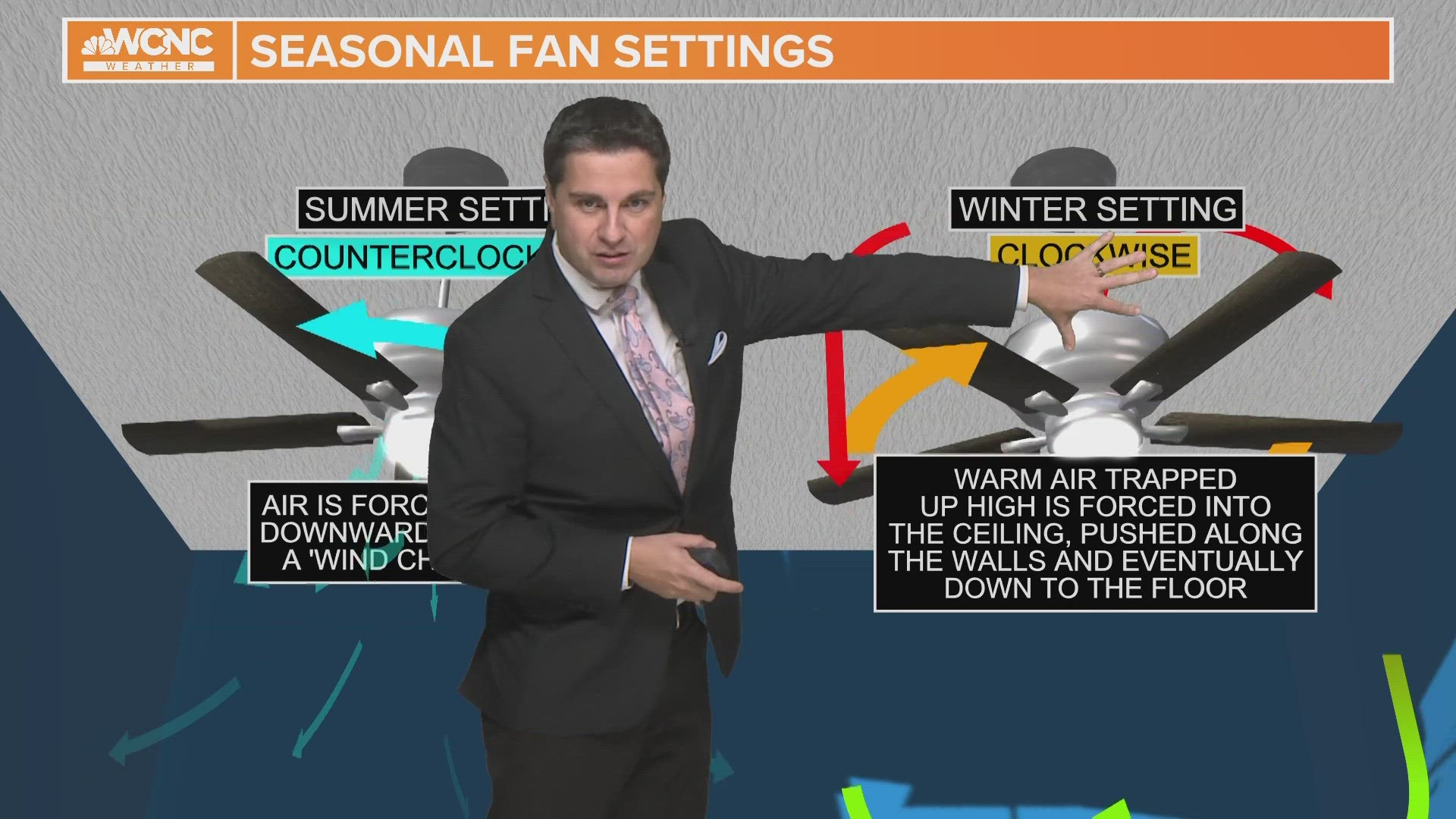
What Direction Should Your Ceiling Fan Spin In The Winter Shelly Lighting During winter or colder weather, the ceiling fans should be spinning clockwise when looking up at the ceiling fan. according to energystar.gov, the main idea of a clockwise spinning ceiling fan is to create an updraft that circulates the heat rising to the top of the room. Your ceiling fan direction makes a real difference in both comfort and energy costs. the science is straightforward: counterclockwise for summer cooling, clockwise for winter heat circulation. If you’ve been wondering which direction ceiling fans should be spinning during cool versus warm months, we’ve put together a guide to help choose the best ceiling fan direction for each season. Discover which way your ceiling fan should be spinning for optimal comfort and energy efficiency in every season.
Comments are closed.