

More Dead Than Alive Movie Where To Watch Why steam engines are worth more dead than alive dai woodham chose to scrap coal wagons first because they were "easily handled," while st more. Steam engines faded due to poor efficiency, slow startup, and high upkeep—but steam itself never left. here’s what actually replaced them and why.

More Dead Than Alive 2 0 Violet Deadbear India The steam engine, an external combustion heat engine that uses pressurized steam to perform mechanical work, remains a relevant technology today. reciprocating piston engines, which drove the industrial revolution, have been largely superseded by more advanced power sources. But while the steam engine has been superseded by internal combustion engines and now electric motors, the modern world still relies on steam. almost all thermal power plants, from coal to nuclear, must have steam to function. As steam engine technology improved (better boiler and piston systems), more power could be generated by the same quantity of coal, implying that longer distances could be traveled. thus, the break even distance between sail and steam steadily improved from the 1850s. Thereafter, technological developments and improvements in manufacturing techniques (partly brought about by the adoption of the steam engine as a power source) resulted in the design of more efficient engines that could be smaller, faster, or more powerful, depending on the intended application.

There Is No Rule On How To Write Ernest Hemingway Worth More As steam engine technology improved (better boiler and piston systems), more power could be generated by the same quantity of coal, implying that longer distances could be traveled. thus, the break even distance between sail and steam steadily improved from the 1850s. Thereafter, technological developments and improvements in manufacturing techniques (partly brought about by the adoption of the steam engine as a power source) resulted in the design of more efficient engines that could be smaller, faster, or more powerful, depending on the intended application. Nowadays, the steam engine has been replaced by more economical applications such as steam turbine, internal combustion engines and electric motors. the main advantage of steam engines is that they can use the same biofuels as the conventional steam cycle. Steam engines, once the backbone of industrial revolution, have largely been replaced by more efficient and cleaner technologies. in this article, we’ll explore the reasons behind the decline of steam engines and what we use instead. Though the steam engine gave way to the internal combustion engine as a means of vehicle propulsion, interest in it revived in the second half of the 20th century because of increasing air pollution problems caused by the burning of fossil fuels in internal combustion engines. Discover the history of the steam engine, from early inventions to its role in the industrial revolution and its lasting impact on industry and transport.
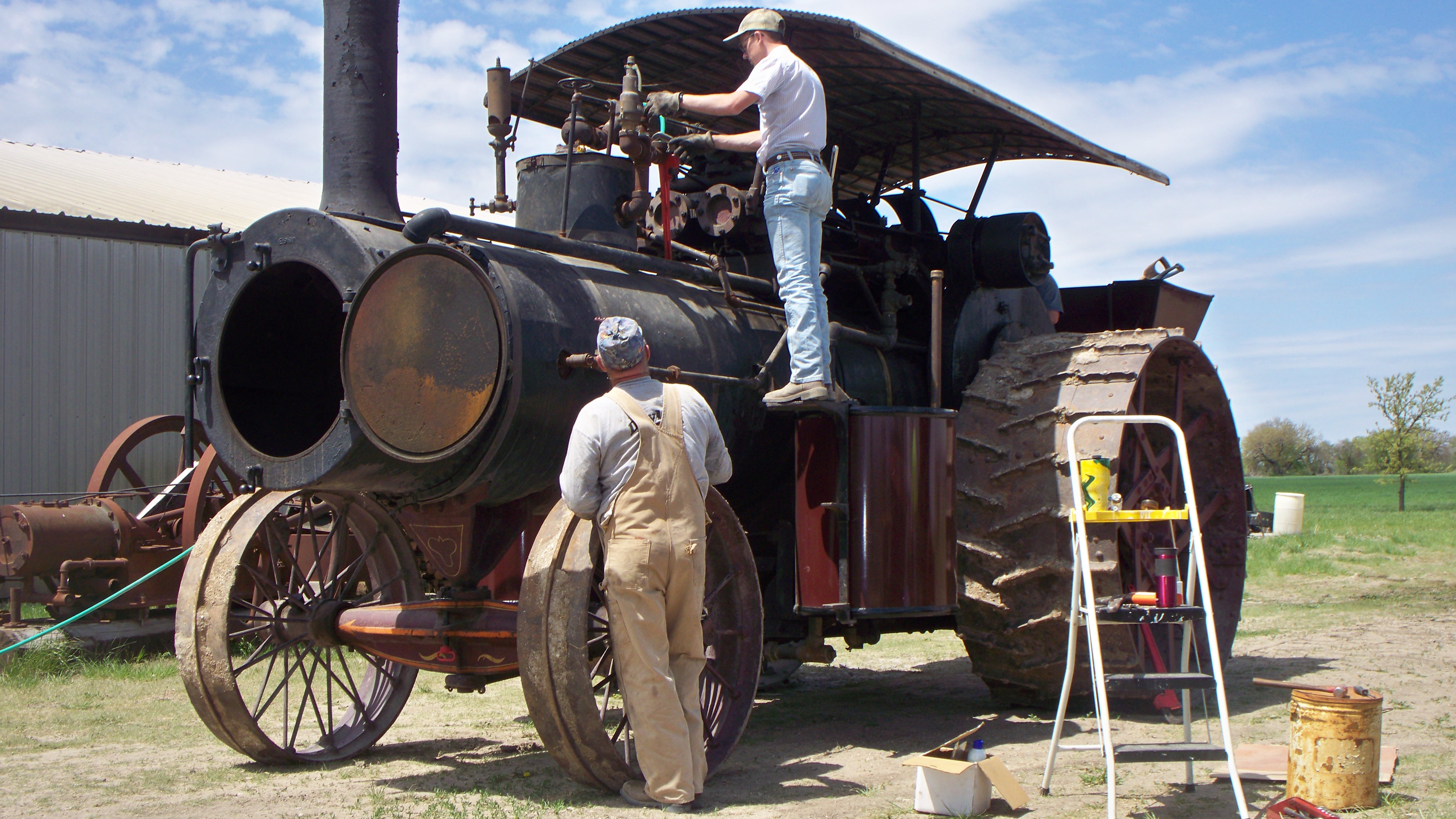
Kaessa Antique Steam Engines Nowadays, the steam engine has been replaced by more economical applications such as steam turbine, internal combustion engines and electric motors. the main advantage of steam engines is that they can use the same biofuels as the conventional steam cycle. Steam engines, once the backbone of industrial revolution, have largely been replaced by more efficient and cleaner technologies. in this article, we’ll explore the reasons behind the decline of steam engines and what we use instead. Though the steam engine gave way to the internal combustion engine as a means of vehicle propulsion, interest in it revived in the second half of the 20th century because of increasing air pollution problems caused by the burning of fossil fuels in internal combustion engines. Discover the history of the steam engine, from early inventions to its role in the industrial revolution and its lasting impact on industry and transport.
Comments are closed.