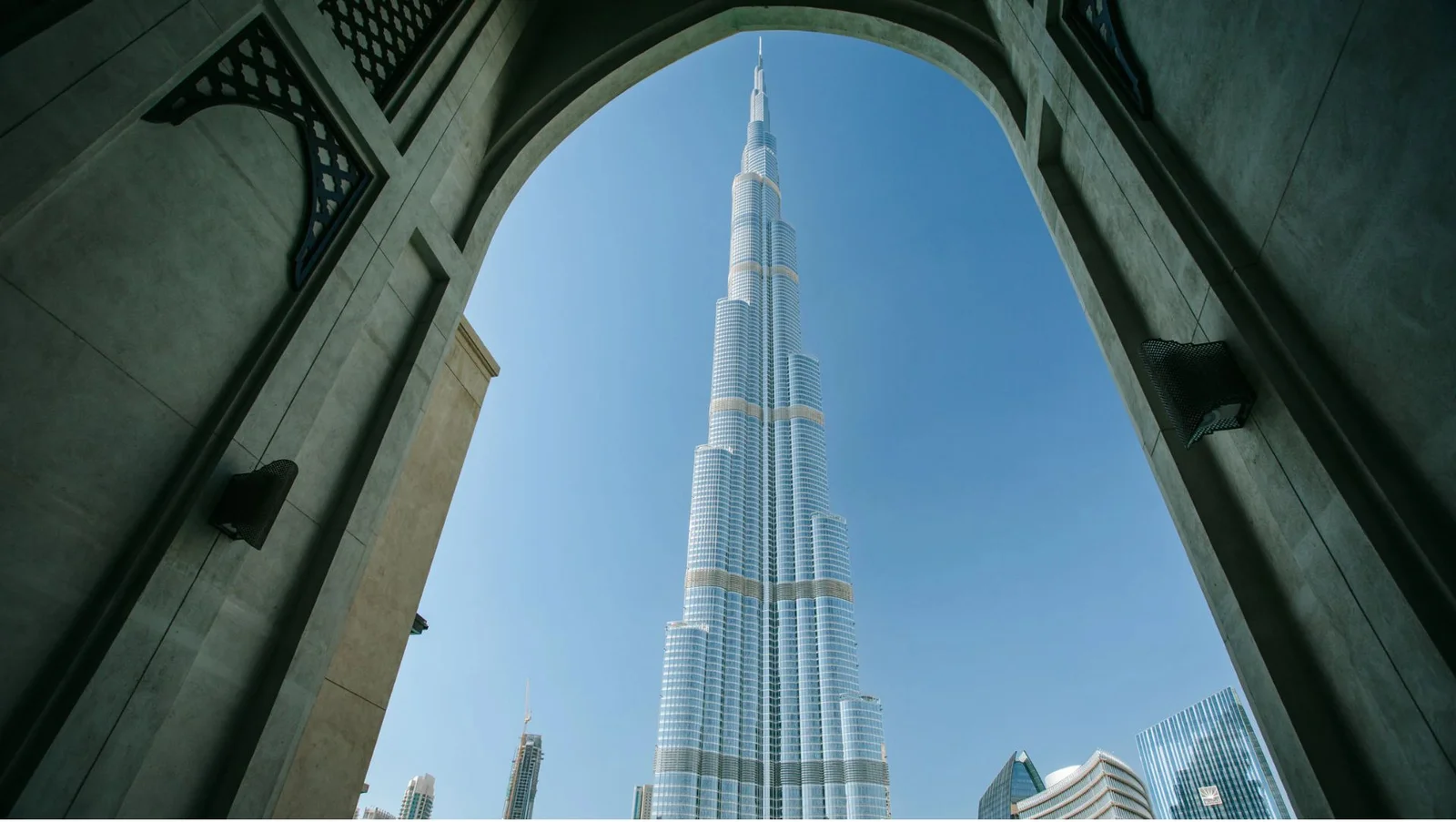
Understanding Accessibility at Burj Khalifa: A Visitor's Introduction
Visiting the world's tallest building, the Burj Khalifa, is a dream for many, and thankfully, this iconic landmark strives to be welcoming to all. This comprehensive guide focuses on the accessibility provisions for visitors with disabilities, ensuring everyone can experience the breathtaking views and architectural marvels. From the moment you plan your trip to the exhilarating ascent to the observation decks, understanding the available support can significantly enhance your experience.
The management of Burj Khalifa has implemented various measures to ensure that guests with diverse needs can navigate the attraction with ease and dignity. This includes physical modifications, staff training, and specific policies designed to remove barriers. Our aim here is to provide a clear, practical overview, helping you prepare for an unforgettable visit without unexpected hurdles.
Prerequisites for a Smooth Accessible Visit
Before embarking on your journey to the Burj Khalifa, a little preparation goes a long way, especially for visitors requiring specific accessibility accommodations. Understanding these prerequisites ensures a more relaxed and enjoyable experience.
- Advance Booking: It is highly recommended to book your tickets online in advance, specifying any accessibility needs. This allows the staff to be prepared for your arrival and make necessary arrangements.
- Identification for Concessions: Bring valid identification or documentation that verifies your disability, as this may be required for any special rates or priority access.
- Companion Policy Awareness: Familiarize yourself with the policy regarding companions or caregivers, as some attractions offer free or reduced-price entry for an accompanying person.
- Mobility Aid Check: Ensure your mobility aids (wheelchairs, scooters) are in good working order and understand their dimensions, especially if you plan to use lifts or specific viewing areas.
- Communication Needs: If you have specific communication needs (e.g., sign language interpretation), inquire in advance if such services can be arranged or if staff have basic training.
- Medication and Supplies: Pack any necessary medications, medical supplies, or personal care items you might need during your visit, as facilities inside might be limited to basic first aid.
Module 1: Planning Your Arrival and Entry
The journey to the Burj Khalifa begins well before you step through its doors. Careful planning for arrival and entry can set the tone for your entire visit, especially when considering accessibility. The building is located in Downtown Dubai, a bustling area, so understanding the best routes and entry points is crucial.
Upon arrival at the Dubai Mall, which provides access to the Burj Khalifa 'At The Top' entrance, visitors will find designated accessible parking spaces. From there, clear signage guides you towards the entrance. The entire path from parking to ticket counter and security checks is designed to be level or ramped, ensuring smooth passage for wheelchair users and those with mobility challenges. Security procedures are also handled with sensitivity, and staff are generally available to assist.
Practical Steps for Entry
- Utilize Accessible Parking: Look for clearly marked accessible parking spots in the Dubai Mall parking areas, often located closest to entrances.
- Follow Signage to 'At The Top' Entrance: Navigate through the Dubai Mall following signs for 'At The Top, Burj Khalifa'. The path is generally wide and free of obstacles.
- Present Tickets at Dedicated Counters: If available, use priority or dedicated counters for visitors with disabilities to expedite the ticketing and entry process.
- Undergo Security Checks: Be prepared for standard security checks. Staff are usually accommodating and can provide assistance if needed for mobility aids.
- Proceed to Elevators: After security, you will be directed to the high-speed elevators. These are spacious and designed to accommodate wheelchairs comfortably.
Self-Check: Arrival Readiness
- Did I pre-book my tickets and specify accessibility needs?
- Do I know the location of accessible parking at Dubai Mall?
- Am I aware of the entry procedures and potential security checks?
- Have I confirmed the policy for any accompanying caregivers?
Module 2: Navigating the Observation Decks
Once inside the Burj Khalifa, the primary attraction for most visitors is the journey to and experience at the observation decks. The 'At The Top' (Levels 124 & 125) and 'At The Top SKY' (Level 148) decks are designed with accessibility in mind, ensuring everyone can enjoy the panoramic views of Dubai. The high-speed elevators are a marvel in themselves, offering a smooth and swift ascent.
The observation decks themselves feature wide, open spaces, allowing for easy movement with wheelchairs or other mobility aids. There are no steps or sudden changes in elevation within the main viewing areas. Railings are positioned at heights that allow both standing and seated visitors to enjoy the views comfortably. Staff members are typically stationed on the decks to offer assistance, answer questions, and ensure a pleasant experience for all guests. For more details on what to expect at these decks, you might find our guide on At the Top Burj Khalifa Observation Deck: What to Expect helpful.
Experiencing the Views Accessibly
- Board the High-Speed Elevators: The elevators are spacious and have auditory announcements and visual displays for floor numbers.
- Explore Level 124: This deck offers an outdoor terrace. Ramps are available to access the outdoor section, and the viewing areas are wide.
- Discover Level 125: Located just above, Level 125 is an indoor deck with a more immersive experience, including a green screen photography opportunity.
- Ascend to Level 148 (if applicable): For 'At The Top SKY' ticket holders, a separate, equally accessible elevator takes you to the highest observation deck.
- Utilize Seating Areas: Benches and seating are available on the decks for those who need to rest.
Self-Check: Deck Navigation Confidence
- Am I comfortable with the elevator experience?
- Do I know where to find staff assistance on the decks?
- Are the viewing areas suitable for my mobility needs?
- Have I considered how long I want to spend on each deck?
Module 3: Essential Facilities and Services
Beyond the observation decks, the Burj Khalifa complex provides a range of essential facilities and services that cater to the needs of all visitors, including those with disabilities. These include accessible restrooms, first aid services, and information points, all designed to ensure comfort and convenience throughout your visit.
Accessible restrooms are strategically located throughout the Dubai Mall and within the Burj Khalifa 'At The Top' experience area. These facilities are spacious, equipped with grab bars, and designed to accommodate wheelchairs. First aid stations are also available, staffed by trained personnel, ready to assist with any medical emergencies or minor issues. Information desks, often staffed by multilingual personnel, can provide directions, answer queries, and offer further assistance regarding accessibility features.
Key Accessible Amenities
- Accessible Restrooms: Look for universal accessibility symbols. These are typically larger and equipped with necessary fixtures.
- First Aid Services: Inquire at information desks or with any staff member if you require medical assistance.
- Information Desks: Located at key points, these desks are invaluable for specific questions or assistance.
- Seating Areas: Ample seating is provided in waiting areas and on the observation decks for rest.
- Wheelchair Loan: Inquire at the customer service desk if wheelchairs are available for loan within the facility, though bringing your own is always recommended.
Self-Check: Facility Awareness
- Do I know where the nearest accessible restroom is?
- Am I aware of how to request first aid if needed?
- Have I noted the location of information desks?
Module 4: Special Considerations for Different Disabilities
While general accessibility measures are in place, specific disabilities may require particular considerations. The Burj Khalifa aims to address a broad spectrum of needs, from mobility impairments to sensory challenges, ensuring a more inclusive experience for everyone.
For visitors with mobility impairments, the entire 'At The Top' journey, from entry to the observation decks, is designed to be wheelchair-friendly with ramps and spacious elevators. For those with visual impairments, guide dogs are generally permitted, and staff can offer verbal guidance. Visitors with hearing impairments might benefit from visual displays and staff who can communicate effectively. It's always a good idea to communicate your specific needs in advance or upon arrival to ensure the best possible support.
Addressing Diverse Needs
- Mobility Impairments: The entire path is step-free, with ramps and wide, accessible elevators. Wheelchairs and mobility scooters are easily accommodated.
- Visual Impairments: Service animals (guide dogs) are typically allowed. Staff can provide verbal descriptions and guidance.
- Hearing Impairments: Visual information displays are prevalent. Communicating specific needs to staff can facilitate better assistance.
- Cognitive/Developmental Disabilities: A calm environment during off-peak hours might be beneficial. Staff are trained to be patient and understanding.
- Temporary Disabilities: Similar accommodations for mobility and seating are available for those with temporary injuries or conditions.
Syllabus Overview: Accessible Experience at a Glance
To help you visualize the accessible journey, here's a quick overview of what to expect at each stage of your Burj Khalifa visit, highlighting key accessibility features.
| Module | Key Accessibility Features | Expected Output |
|---|---|---|
| Planning & Booking | Online booking with disability notes, companion policies. | Smooth, pre-arranged entry. |
| Arrival & Entry | Accessible parking, ramps, wide entry gates, priority lines. | Effortless transition from car to security. |
| Vertical Transit | Spacious, high-speed elevators with visual/auditory cues. | Comfortable, quick ascent to observation decks. |
| Observation Decks | Wide, level viewing areas, accessible railings, seating. | Unobstructed views for all, easy navigation. |
| Facilities | Accessible restrooms, first aid, information desks. | Comfort and support throughout the visit. |
| Staff Support | Trained, accommodating staff, assistance on request. | Personalized help and guidance. |
Capstone Project: Crafting Your Personalized Accessible Itinerary
Now that you're familiar with the accessibility features, let's put it all together to create a personalized itinerary for your visit. This project will help you think through your specific needs and preferences to ensure a truly seamless experience.
- Identify Your Specific Needs: List all your accessibility requirements (e.g., wheelchair user, visual impairment, need for frequent breaks).
- Choose Your Visit Time: Consider visiting during off-peak hours (weekdays, mornings) to avoid crowds, which can be less stressful.
- Review Ticket Options: Decide between 'At The Top' (Levels 124 & 125) or 'At The Top SKY' (Level 148) based on your desired experience and budget.
- Plan Transportation: Determine your mode of transport to Dubai Mall (taxi, accessible public transport, private car) and map out the accessible route.
- Allocate Time for Each Section: Factor in extra time for security, elevator queues, and leisurely exploration of the decks. A typical visit can take around 1.5 to 2 hours, but allow more if needed.
- Note Down Key Contact Information: Keep the Burj Khalifa customer service number handy for any on-the-spot queries or assistance.
- Prepare a Checklist: Create a small checklist for the day of your visit, including tickets, ID, medications, and fully charged mobility aids.
Further Study: Enhancing Your Dubai Accessible Travel
Your visit to the Burj Khalifa is just one part of a potentially larger accessible adventure in Dubai. The city itself is making significant strides in becoming more inclusive. Exploring other accessible attractions and understanding broader travel tips can greatly enrich your overall experience in the UAE.
- Research Other Accessible Attractions: Many of Dubai's major attractions, like the Dubai Mall, Dubai Fountain, and various museums, also offer good accessibility.
- Explore Accessible Transportation: Dubai's public transport system, including the Metro and RTA taxis, has accessible options.
- Look into Accessible Accommodation: Choose hotels that explicitly state and demonstrate their accessible room features.
- Connect with Local Disability Organizations: These groups can offer invaluable local insights and support for visitors.
- Consider Private Accessible Tours: For a more tailored experience, look into tour operators specializing in accessible travel in Dubai.
- Stay Updated on Policies: Accessibility standards and offerings can evolve, so check official websites closer to your travel date for the latest information.
Reviewing the Accessibility Features: Pros and Cons
The Burj Khalifa's commitment to accessibility is commendable, but like any large-scale attraction, there are both strengths and areas where visitors might need to be aware.
Pros of Accessibility at Burj Khalifa
- Excellent Physical Infrastructure: Ramps, wide doorways, and spacious elevators ensure smooth navigation for mobility aid users.
- Dedicated Staff Support: Staff are generally well-trained and available to assist visitors with disabilities, offering guidance and priority access when needed.
- Clear Signage: Wayfinding within the Dubai Mall and towards the Burj Khalifa entrance is clear and easy to follow.
- Accessible Restrooms: Well-maintained and appropriately equipped accessible facilities are available.
- Priority Access: Visitors with disabilities often receive priority boarding for elevators, reducing wait times.
Cons and Considerations
- Crowd Management: During peak hours, even with priority access, navigating through large crowds can still be challenging for some.
- Limited Sensory Aids: While visual displays are present, specific aids for severe visual or hearing impairments (e.g., audio descriptions, sign language interpreters) might not be universally available without prior arrangement.
- Information Dissemination: While information is available, proactively seeking it out or contacting customer service beforehand is often necessary to get specific details.
- Reliance on Companion: While staff are helpful, some visitors might still require a companion for full assistance, especially for personal care.
Who Benefits Most from Burj Khalifa's Accessibility Efforts?
The accessibility features at Burj Khalifa are designed to benefit a wide range of visitors, but certain groups will find the provisions particularly impactful, ensuring they can partake in an experience that might otherwise be challenging.
The thoughtful integration of accessible design and dedicated staff support at Burj Khalifa truly opens up this global icon to a broader audience, making a world-class experience attainable for many who might typically face barriers.
Primarily, individuals using wheelchairs, mobility scooters, or those with limited mobility will find the step-free access, ramps, and spacious elevators invaluable. Parents with strollers also benefit from these features. Furthermore, visitors with visual impairments who rely on service animals or verbal guidance will appreciate the accommodating staff and policies. Those with temporary injuries or conditions that affect their stamina will also find the ample seating and priority access helpful, allowing them to enjoy the visit without undue physical strain. Essentially, anyone who requires a little extra assistance or a smoother path will find the Burj Khalifa's efforts highly beneficial.
Booking Your Accessible Tickets: Tips and Tricks
Securing your tickets efficiently is a crucial step in planning your accessible visit to the Burj Khalifa. While the general booking process is straightforward, a few specific tips can ensure your needs are met and your entry is as smooth as possible.
Smart Booking Strategies
- Use the Official Website: Always book through the official 'At The Top' Burj Khalifa website. This ensures you get accurate information and the best chance to communicate specific needs.
- Look for Disability Options: During the booking process, check for any specific options or fields to indicate that a visitor has a disability or requires special assistance.
- Contact Customer Service Directly: If you have complex needs or specific questions not covered online, don't hesitate to call or email their customer service team before booking. They can confirm policies and make notes on your reservation.
- Inquire About Companion Tickets: Ask if there's a concession or free ticket for an accompanying caregiver. Policies can vary, so it's best to confirm this in advance.
- Print or Save Confirmation: Keep your booking confirmation readily accessible, either printed or on your phone, as it contains important details and a reference for staff.
- Consider Flexi Tickets: If available, a flexi-ticket might offer more leeway for unforeseen delays or changes in your schedule, reducing stress.
Assistance Animals and Service Dogs Policy
For many visitors with disabilities, assistance animals, particularly service dogs, are indispensable companions. Understanding the Burj Khalifa's policy on these animals is vital for a stress-free visit. Generally, recognized service animals are welcomed, provided they are clearly identifiable and well-behaved.
The Burj Khalifa, in line with international accessibility standards, typically permits trained service animals to accompany their handlers throughout the 'At The Top' experience. It's important that the animal is clearly marked as a service animal (e.g., wearing a vest or harness) and is under the handler's control at all times. While emotional support animals are sometimes treated differently, certified service animals usually have full access. It is always advisable to inform the staff during booking or upon arrival about your service animal to ensure a smooth entry and avoid any misunderstandings. Having official documentation for your service animal can also be helpful.
Transportation to Burj Khalifa: Accessible Options
Reaching the Burj Khalifa, located adjacent to the Dubai Mall, is made convenient by Dubai's well-developed transportation network, which increasingly prioritizes accessibility. Planning your journey ensures a comfortable start to your visit.
Accessible Transport Choices
- Dubai Metro: The Dubai Metro is highly accessible, with elevators and ramps at all stations, and designated spaces for wheelchairs on trains. The Burj Khalifa/Dubai Mall station is directly connected to the mall via an air-conditioned walkway, which is also accessible.
- RTA Taxis: Dubai's Roads and Transport Authority (RTA) operates a fleet of accessible taxis (often identifiable by a blue roof or specific markings) that are equipped to carry wheelchairs. These can be booked in advance or hailed.
- Private Car/Ride-Sharing: If arriving by private car, the Dubai Mall offers ample accessible parking. Ride-sharing apps also often have options for accessible vehicles, though availability might vary.
- Hotel Shuttles: Many hotels in Dubai offer shuttle services to major attractions. Inquire with your hotel if they provide accessible shuttles to the Dubai Mall.
Regardless of your chosen method, confirming the accessibility features of your transport option beforehand is always a good practice.
What to Expect from Staff Support and Training
The human element plays a significant role in ensuring a truly accessible experience. At Burj Khalifa, staff members are generally trained to assist visitors with disabilities, providing a layer of support that complements the physical accessibility features.
You can expect staff to be courteous, understanding, and ready to offer assistance where needed. This includes helping with navigation, providing information, assisting with elevator boarding, and ensuring priority access. Many staff members receive basic training in disability awareness and customer service for individuals with special needs. While they may not be trained medical professionals or personal caregivers, their role is to facilitate a smooth and enjoyable visit. Don't hesitate to approach any staff member if you require help or have a question; they are there to make your experience as comfortable as possible. Their proactive approach often makes a significant difference in the overall visitor experience.
Final Verdict: Is Burj Khalifa Truly Accessible?
After reviewing the various provisions and services, the verdict on Burj Khalifa's accessibility is largely positive. The world's tallest building has made considerable efforts to ensure that visitors with disabilities can experience its grandeur with relative ease and comfort.
Burj Khalifa stands as a commendable example of an iconic global attraction striving for inclusivity, offering a largely accessible and memorable experience for guests with diverse needs.
The physical infrastructure, including ramps, spacious elevators, and accessible restrooms, is well-designed and maintained. The staff are generally supportive and trained to assist, adding a crucial human touch to the accessibility framework. While minor considerations like crowd management during peak times or the need for pre-communication for very specific needs exist, these are common challenges for any high-traffic attraction. Overall, the Burj Khalifa offers a robust and thoughtful accessible experience, making it a highly recommended destination for visitors with disabilities looking to marvel at Dubai's skyline.