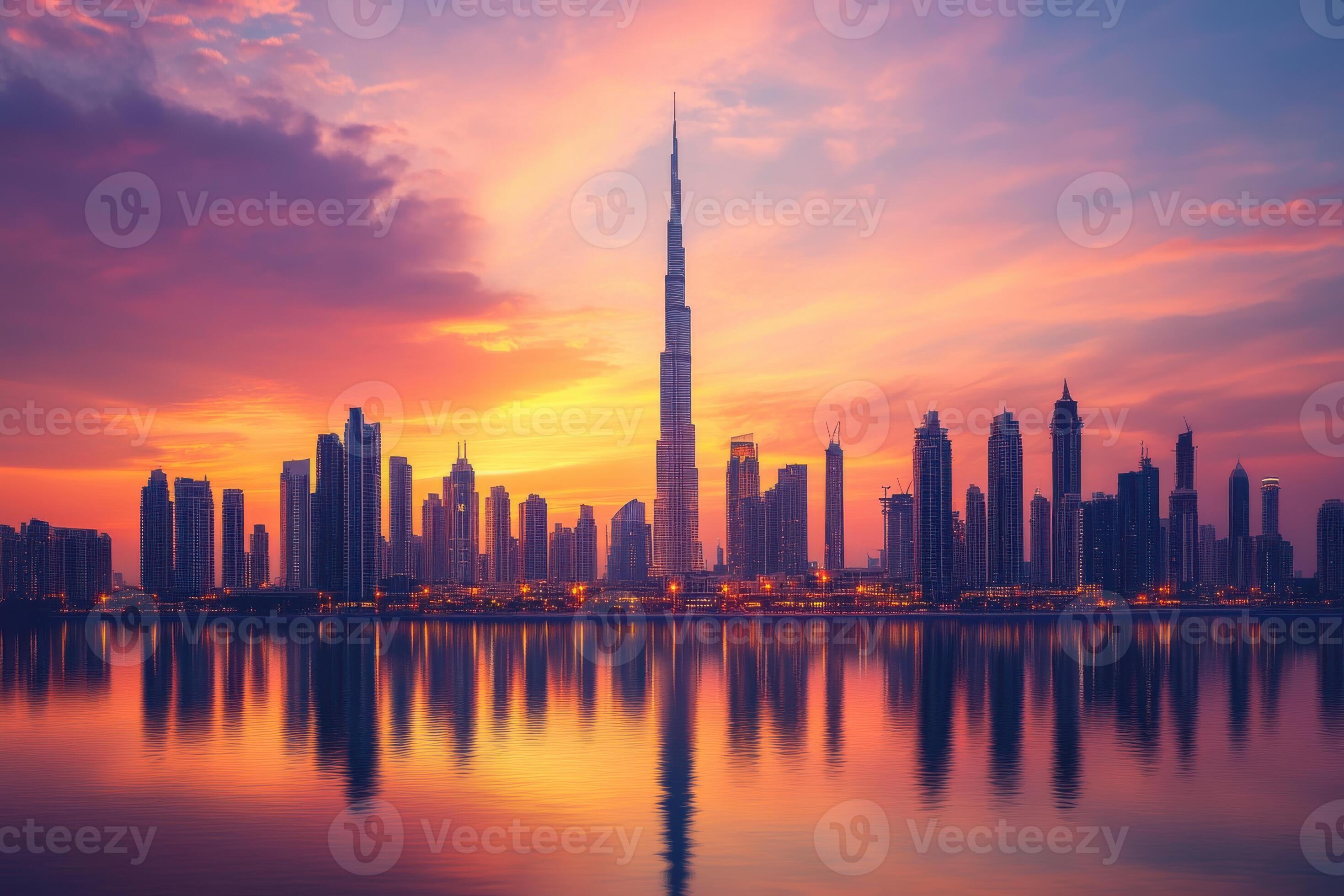
Why Timing Your Burj Khalifa Visit Matters for Spectacular Light
Capturing the ultimate sunset shot from the world's tallest building requires meticulous planning, precise timing, and a solid understanding of how Dubai's unique atmospheric conditions affect photography. When planning your observation deck experience, you must account for seasonal shifts in daylight, sunset hours, and the golden hour glow that transforms the sprawling cityscape below into a sea of shimmering gold. The Burj Khalifa rises over 828 meters into the sky, offering an unmatched vantage point where you can watch the sun dip below the Arabian Gulf horizon while the city lights begin to flicker on beneath you.
Many travelers make the mistake of booking standard slots without checking the exact sunset calendar for their specific travel dates. Because Dubai experiences significant shifts in day length between summer and winter, the optimal hour for your elevator ride upwards changes drastically throughout the year. Furthermore, security lines, elevator queues, and security screenings mean you need to arrive well in advance of the actual golden hour to secure your spot at the glass panels before the best lighting slips away.
Readiness Checklist for High Altitude Photography
Before you step foot inside the high-speed elevators, you need to prepare your gear, clothing, and mindset for the unique environment of the observation decks. High-altitude glass reflection, crowd density, and strict bag policies all play a major role in whether you walk away with portfolio-grade images or blurry, unusable snapshots.
- Verify your ticket time at least ninety minutes before sunset to allow for security lines and elevator wait times.
- Pack a circular polarizer or lens hood to eliminate internal reflections caused by the thick double-paned observation glass.
- Charge all camera and phone batteries to maximum capacity, as cold air-conditioning combined with heavy usage drains power quickly.
- Wear comfortable footwear, as standing in observation queues and walking around the expansive viewing platforms requires considerable stamina.
- Keep your camera gear minimalist because oversized tripods, monopods, and professional lighting equipment are prohibited on the decks.
- Clean your camera lenses with a microfiber cloth before heading up to remove smudges and dust that catch the bright sunset glare.
- Download offline maps and photography apps to track exact sun angles, cloud cover forecasts, and golden hour durations.
Phased Migration From Ground Level to Observation Deck
Phase One: Ground Level Preparation and Security Clearance
Begin your journey on the lower ground floor of the Dubai Mall, where ticket redemption and security checkpoints are located. Arrive early to clear security without feeling rushed, ensuring you have enough time to browse the architectural exhibits before boarding.
Phase Two: The High-Speed Elevator Ascent
Step into one of the world's fastest double-deck elevators, which travels at an astonishing speed of 10 meters per second. Pay attention to your ears popping during the rapid ascent, and keep your phone ready to record the immersive digital projection lighting inside the elevator shaft.
Phase Three: Securing Your Vantage Point on Level 124 or 148
Exit onto the outdoor terrace or indoor climate-controlled viewing area and immediately scout for an open spot along the glass panels. Position yourself toward the west for direct sunset views or toward the south for stunning shots of the Dubai Fountain and Sheikh Zayed Road.
Rollback Plan for Unfavorable Weather Conditions
- Check local weather forecasts and air quality reports forty-eight hours prior to your scheduled ticket time to spot potential dust storms or heavy fog.
- Contact customer service immediately if visibility drops below acceptable levels to inquire about rescheduling your visit for a clearer evening.
- Utilize indoor photography angles near the digital displays and architectural models if the outdoor terrace is temporarily closed due to high wind speeds.
- Shift your focus to architectural interior details and long-exposure light trails from nearby lower levels if atmospheric haze ruins distance shots.
- Keep a flexible itinerary during your Dubai trip so you can swap your Burj Khalifa slot with a museum or indoor dining experience on hazy days.
Data and Content Mapping Table for Seasonal Lighting
| Season | Average Sunset Time | Best Arrival Window | Lighting Quality |
|---|---|---|---|
| December - February | 5:30 PM - 6:00 PM | 4:15 PM | Soft, warm golden hour with occasional morning mist |
| March - May | 6:30 PM - 7:00 PM | 5:30 PM | Clear skies, bright golden tones, vibrant dusk colors |
| June - August | 7:00 PM - 7:15 PM | 6:00 PM | Intense heat haze, bright orange sun, late dusk |
| September - November | 5:45 PM - 6:30 PM | 4:45 PM | Crisp air, dramatic cloud formations, deep purple twilight |
Common Breakages and Quick Fixes for Observation Deck Photos
- Fix glaring green or purple reflections on glass by pressing your rubber lens hood directly against the window pane at a straight angle.
- Prevent blurry night shots caused by slow shutter speeds by bracing your elbows firmly against your chest or resting your camera on stable architectural ledges.
- Correct blown-out highlights in the setting sun by manually adjusting exposure compensation down by one full stop on your camera or smartphone.
- Overcome crowd obstruction by shooting at a slight upward angle or holding your smartphone up high using an extended wrist grip.
- Avoid battery failure in air-conditioned indoor decks by keeping your spare batteries in an inner jacket pocket close to your body heat.
Success Criteria for Capturing Professional-Grade Skyline Imagery
Achieving success during your photography session hinges on capturing three distinct phases of light: the bright golden hour before sunset, the fiery transition of dusk, and the glittering urban illumination of the night city. When you successfully document all three transitions, you create a complete visual narrative that showcases the true scale and majesty of the world's tallest engineering marvel. Your images should display sharp architectural lines, well-balanced exposures between the bright sky and dark ground, and clean frames free of distracting window smudges.
Furthermore, managing your time efficiently on the observation deck ensures you do not spend your entire hour adjusting settings while the best light fades away. Take a few test shots as soon as you arrive, lock in your manual exposure settings, and then enjoy a few moments of pure observation without looking through a viewfinder. Balancing technical precision with genuine appreciation for the view guarantees a memorable and rewarding experience at the top of the tower.
Understanding Seasonal Shifts in Dubai Daylight Hours
Winter Months Versus Summer Months
Winter brings shorter days with sunsets occurring as early as 5:30 PM, whereas summer sunsets stretch past 7:00 PM. This massive variance alters your entire evening schedule, influencing when you should eat dinner and how you book your tickets.
Atmospheric Conditions and Haze Variations
Summer brings high humidity and airborne dust that creates a milky, hazy horizon, while winter delivers crisp, clear air that is vastly superior for long-distance telephoto photography of the desert and coastline.
- Winter air clarity allows visibility stretching for dozens of kilometers across the desert expanse.
- Summer heat creates shimmering mirages that distort distant buildings and skyline silhouettes.
- Spring and autumn offer balanced temperatures with moderate haze levels and colorful clouds.
Mastering Glass Reflections on the Observation Deck
Shooting through thick glass windows is the single greatest challenge for photographers visiting the Burj Khalifa. Because the observation decks are fully enclosed for safety, you cannot simply step outside to avoid glare from interior lights.
- Wear dark clothing to minimize your own reflection bouncing off the glass into your camera lens.
- Cup your hands around your camera lens or use a flexible silicone lens hood to block overhead ceiling lights.
- Shoot at a perpendicular angle to the glass rather than a diagonal angle to reduce prismatic light distortion.
- Turn off your camera and phone flash entirely, as flash illumination only bounces off the glass and ruins the frame.
- Look for small maintenance gaps or specialized camera ports if available during special photography tours.
Comparing Ticket Tiers for Sunset Viewing Access
At The Top (Levels 124 and 148)
Level 124 offers standard open-air terrace access, while Level 148 provides a luxury lounge experience with personalized guided tours and fewer crowds around the glass.
Prime Hours Versus Non-Prime Hours Pricing
Sunset slots are classified as prime hours, carrying a significantly higher price tag compared to morning or mid-afternoon slots due to overwhelming global demand.
Exclusive Lounge Perks and Refreshments
Level 148 ticket holders enjoy complimentary Arabic coffee, dates, and gourmet sweets served in a sophisticated lounge before stepping onto the highest outdoor terrace in the world.
Navigating Security and Elevator Queue Strategies
- Book your tickets months in advance to secure the exact sunset time slot you desire without settling for unpopular off-peak hours.
- Arrive at the Dubai Mall entrance at least forty-five minutes before your ticketed entry time to navigate foot traffic and security checkpoints.
- Follow all staff instructions regarding prohibited items, large backpacks, and tripod restrictions to avoid delays at the security scanner.
- Utilize priority entry lanes if you purchased VIP or fast-track passes to bypass standard tourist queues entirely.
- Keep your digital or printed tickets readily accessible on your smartphone to speed up ticket validation at the turnstiles.
- Shoot in RAW image format to preserve maximum shadow and highlight detail for post-processing recovery.
- Use a low ISO setting (ISO 100 to 400) during the bright golden hour to prevent digital noise in your files.
- Switch to manual focus mode and lock your focus onto distant horizon points to prevent autofocus hunting against the glass.
- Employ center-weighted or spot metering modes to expose for the bright horizon rather than the dark foreground.
- Bracket your exposures (AEB) if your camera supports it, capturing multiple frames at different exposures to blend later.
- A sturdy mirrorless or DSLR camera body with good low-light sensor performance and dynamic range.
- A versatile zoom lens, such as a 24-70mm or 70-200mm, to capture both wide cityscapes and tight architectural details.
- A lightweight polarizing filter to cut down atmospheric glare and enhance blue sky contrast.
- A microfiber cleaning cloth to constantly wipe away fingerprint smudges from your lenses and smartphone screens.
- A spare high-capacity power bank to recharge your mobile devices during long waiting periods.
- An extra memory card formatted and cleared of old data before your session begins.
- A pocket-sized LED light or smartphone flashlight for navigating camera menus in the dim indoor areas.
- Wait for the urban streetlights and building facades to reach peak brightness before taking your final series of shots.
- Look for reflection angles inside the glass that capture the glowing interior lights alongside the glowing city outside.
- Experiment with vertical panoramic stitches to capture the entire height of the tower and the glowing streets below in a single frame.
- Keep shooting until the sky turns completely black to capture the stark contrast of night photography in Dubai.
- Pace your energy so you remain alert and creative throughout the entire transition from daylight to full night.
Optimizing Camera Settings for Dynamic Sunset Lighting
Managing the extreme contrast between the bright setting sun and the darkening urban landscape requires careful calibration of your camera settings. Automatic exposure modes often overexpose the sky or crush shadow details in the buildings below.
Essential Gear Checklist for High-Altitude Shooters
Expert Insights on Capturing the Dubai Fountain Show From Above
Watching the Dubai Fountain show from the Burj Khalifa is a breathtaking experience, but timing your photography to match the water jets with the sunset colors requires precise synchronicity. The fountain shows begin every thirty minutes starting in the evening, creating stunning kinetic patterns of water and light far below your feet.
The perspective from the Burj Khalifa turns the massive water fountains into intricate geometric patterns dancing against the illuminated grid of Downtown Dubai, offering a wholly unique artistic viewpoint.
To capture the fountain choreography effectively, wait until the blue hour sets in, as the vibrant colored spotlights illuminating the water will pop dramatically against the darkening pavement. Use a faster shutter speed to freeze the surging water droplets, or use a slightly longer exposure to create a silky, ethereal motion blur effect in the dancing water streams.
Maximizing Your Time After Sunset for Blue Hour Photography
Do not rush for the elevators the moment the sun dips below the horizon, because the thirty minutes following sunset—known as the blue hour—often yields the most dramatic and atmospheric photography of the entire evening. During this window, the sky turns a deep cobalt blue while the city's architectural lighting systems turn on full blast.